





Pre-registration

Global Nature Positive Summit 2026

Save the Date: July 14–16, 2026, Kumamoto, Japan

Set Sail Together: Be Part of the Nature-Positive Journey

The 2030 deadline to halt and reverse nature loss is fast approaching.

The Summit will showcase bold examples from around the world, charting a path toward a nature-positive future in business, finance, and governance.
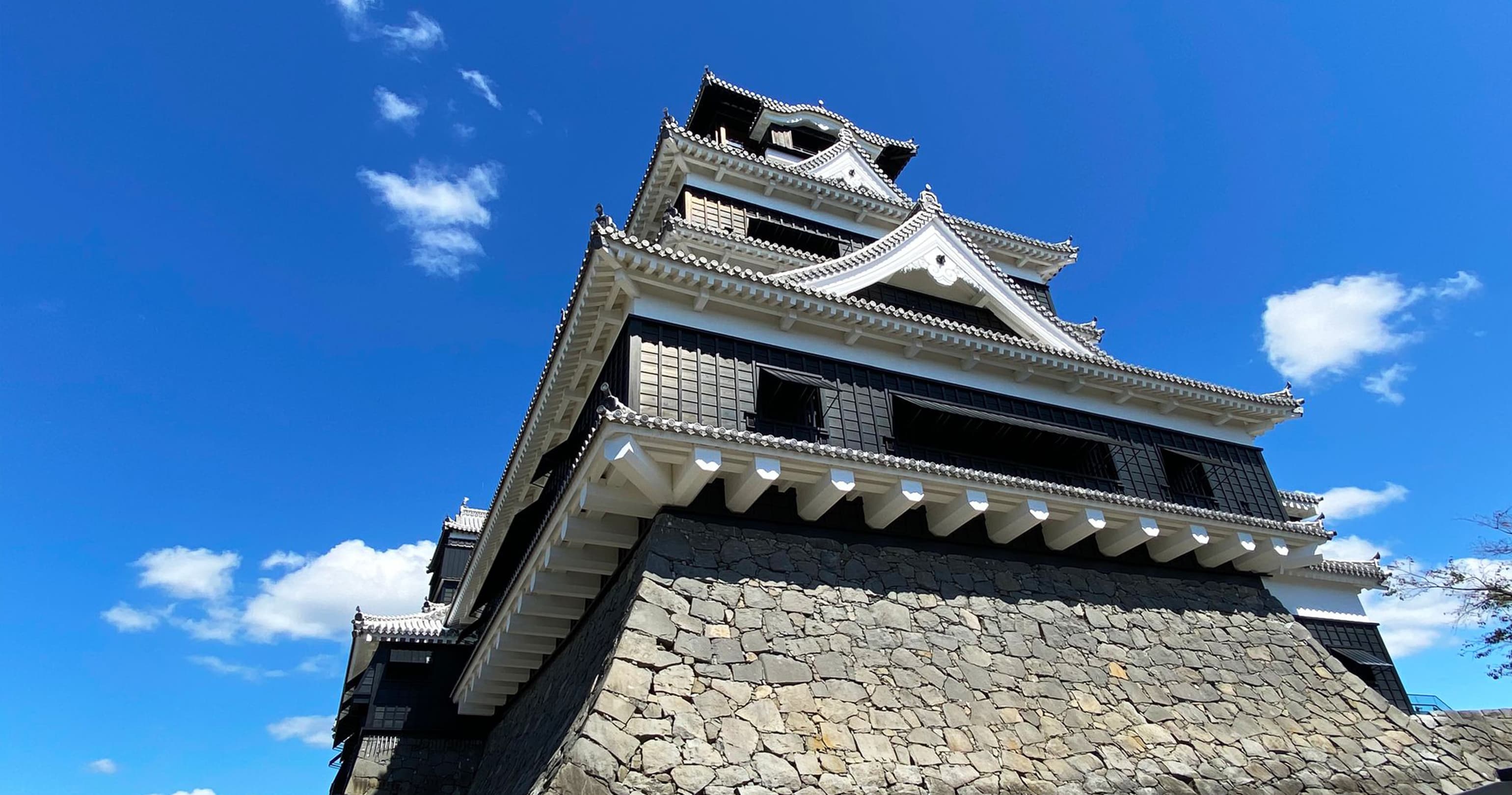
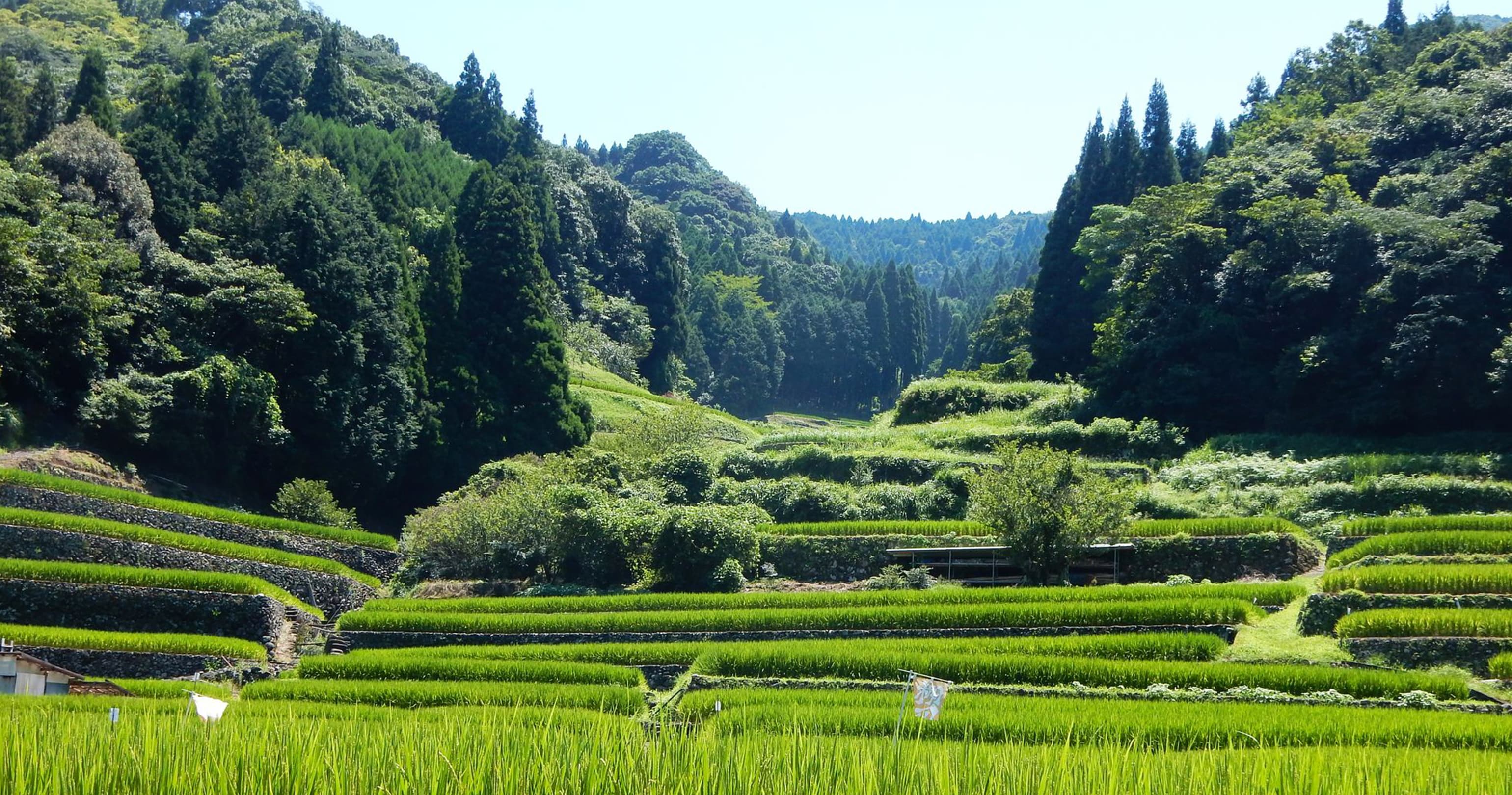
Hosted in Japan — a country with a deep connection to nature
— the second Global Nature Positive Summit in Kumamoto invites us all to join this journey toward a safer, more equitable, and thriving world.

熊本

Call for Official Side Events
Global Nature Positive Summit (GNPS)

SIDE EVENT PROGRAM | DAY 1 | JULY 14 2026

1300 - 1400 | Small | Implementation of Nature-Positive Renewable Energy in Japan

Institute for Sustainable Energy Policies

This session presents a concrete vision of "nature-positive renewable energy" in Japan, centered on the synergies between climate change mitigation and biodiversity conservation. Renewable energy deployment and nature conservation have traditionally been framed as being in conflict, but community-led design is giving rise to projects and concepts in which power generation contributes to maintaining and enhancing ecosystem services. Drawing on leading examples and institutional frameworks from abroad, the session will also deepen the discussion on the sustainability of business models and on scientific monitoring methods.

1300 - 1400 | Small | Turning Setouchi's Natural Capital into Local Economic Power

Setouchi Nagisa Forum

Hosted by the Setouchi Nagisa Forum—an industry-government-academia-finance collaboration platform for the Setouchi region—this session focuses on supporting local companies and regional banks in their transition to nature-capital-based business. It introduces approaches for reframing environmental action not as a "cost" but as "earning power," that is, as a new market. The session shares real-world examples of "cross-sector technology transfer (a reverse LEAP approach)," in which the advanced manufacturing technologies held by local companies are applied to solving marine challenges such as the decline of seagrass and seaweed beds.

1300 - 1400 | Small | The Role of Youth in Driving Nature Positivity

IFSAQ(International Forestry Students' Association Local Committee Kyushu)

This session discusses the role and potential of youth in achieving nature positivity in the forestry sector. It shares the activities of international student networks such as IFSA, along with examples from abroad (including pre-recorded interviews and podcasts), and organizes a comparative understanding of the challenges and approaches relative to Japan. Through a panel discussion among companies, researchers, and youth organizations, as well as participatory dialogue, the session will examine concrete ways of engaging in forest management, supply chains, and regional collaboration, and will present directions for actions that youth can realistically take.

1300 - 1400 | Middle | Environmental Conservation with Sustainable Livelihood Improvement

Japan Environmental Education Forum

In Indonesia and Bangladesh, we have spent more than a decade implementing community-led initiatives that seek to balance environmental conservation and restoration with sustainable improvements in local residents' livelihoods through ecotourism and other means. This session introduces concrete examples of these initiatives and organizes the success factors and challenges identified through our practice. To achieve nature positivity and make it sustainable, we will consider together with participants what is needed at the field level, and deepen the discussion on practical approaches.

1300 - 1400 | Middle | TBC

ICLEI

To be updated

1730 - 1830 | Small | Balancing Biodiversity Conservation and Climate Change Mitigation

Keio University, Keio STAR / Center for Sustainable Finance Research, JSA

This session discusses, from the perspectives of both academia and industry, the key issues involved in shaping international rules for balancing biodiversity conservation and climate change mitigation. It reports on the discussions held at a biodiversity study group—centered on participants from industry and academia—that has been meeting since November 2025, and, together with the panelists and the audience, examines the elements required for shaping international rules that reconcile biodiversity conservation with climate change mitigation.

1730 - 1830 | Small | Kyushu Model for Seagrass Bed Restoration and Blue Carbon

BLUE BEVIVE

This session shares practices in seagrass and seaweed bed restoration and blue carbon led by fishers and fisheries cooperatives in four regions of Kyushu (Saga, Kagoshima, Nagasaki, and Miyazaki), and presents an implementation model for marine nature positivity. The applicant is a fisher from Karatsu City, and from the perspective of those standing at the front line of environmental change, the session shows how they have balanced ecosystem recovery with the sustainability of the local economy.

1730 - 1830 | Small | Youth-Led Nature-Positive Activities in Japan's UNESCO Biosphere

Japanese Biosphere Reserves Network

This session aims to share the practical knowledge of nature-positive activities led by young people who will carry the next generation in Japan's UNESCO Biosphere Reserves (BRs), and to further accelerate their participation. At present, each BR has made commitments such as nature-positive declarations, and there is active movement toward realizing sustainable local communities. This side event introduces initiatives from a diverse range of groups—from forest-making by junior high school students and the branding of traditional industries by university students, to the building of wide-area networks by youth organizations based in UNESCO Biosphere Reserves.

1730 - 1830 | Middle | Sustainable Forest Management and the Provision of Ecosystem Services

Forestry Agency

We are promoting policy measures that guide forest management toward enhancing biodiversity through the conservation of secondary ecosystems that have been sustainably maintained by human activity, while also studying indicators and methods for assessing forest biodiversity in light of the natural characteristics of Japan's forest ecosystems. This side event introduces such initiatives and, together with experts on forest ecosystems and on building a nature-positive society, discusses the potential for transitioning to a nature-positive society through the use of forests.

1730 - 1830 | Middle | The Potential of Corporate Biodiversity Conservation

JBIB & ABINC

JBIB (the Japan Business Initiative for Biodiversity), which has approached biodiversity from the perspective of corporate management, and ABINC (the Association for Business Innovation in harmony with Nature and Community), which has led the promotion of biodiversity maintenance and restoration on the ground at sites such as corporate green spaces and multi-unit residential buildings, will jointly discuss the realization of nature positivity in cities. How can the recovery of biodiversity be expanded, particularly in urban areas, and how can it be linked to business viability and value creation? Drawing on Japan's practical knowledge, we hope to make this a venue for envisioning a new relationship between cities and companies going forward.

SIDE EVENT PROGRAM | DAY 2 | JULY 15 2026

1215 - 1315 | Small | How Can Media Change Biodiversity?

Rooting Our Own Tomorrows

This session visualizes the impact that media have on biodiversity from the perspective of "behavioral change," and discusses the roles of science, industry, and civil society in an integrated manner. Media representations of animals and nature exert both positive and negative effects on biodiversity through people's perceptions, emotions, and behavior. Connecting insights from behavioral science, the realities of media practice, and the work of NGOs across disciplines, this session presents a new approach—the "design of the information environment"—for achieving nature positivity.

1215 - 1315 | Small | Turning Local Wildlife Observations into Global Biodiversity Data

Regional Environmental Policy Laboratory, Azabu University

Azabu University has worked to visualize the full picture of regional biodiversity by holding workshops that use iNaturalist and GBIF in partnership with Ebina City, Sagamihara City, prefectural parks, museums, and high schools. In April, the university will take part in "City Nature Challenge 2026"—a wildlife observation event held simultaneously in more than 1,000 cities worldwide—representing the "Central Kanagawa Region." We hope to share with participants the insights and know-how we have gained through our practice.

1215 - 1315 | Small | Youth Nature Innovation

Team Umi-tsunagi

Youth members who grew up in regions living in harmony with nature, mainly in Kyushu, have each been building up activities and research in marine and coastal settings, and they will share the results of this work internationally together with their peers. "Kyushu University Umi-tsunagi" and "Team Umi-tsunagi" have worked on marine and coastal biodiversity conservation, marine litter countermeasures, regional revitalization, and more—together with high schools, universities, and environmental organizations centered in northern Kyushu (Fukuoka, Saga, and Nagasaki). With the cooperation of the Japan Water Forum, they have also exchanged with organizations and researchers from Asia and Africa whom they met at the World Water Forum.

1215 - 1315 | Middle | Envisioning an Ideal Ecosystem of Water and Business

River Basin Digital Twin 2026

Creating the future from water is a growth strategy for the age of climate change. As the natural resource most vulnerable to the impacts of climate change, water is also the foundation of ecosystem services that support a wide range of fields, including agriculture, industry, cities, power generation, the environment, and disaster prevention. This forum brings together operating companies, government agencies, and financial institutions involved in river basin water management, and—through networking—aims to advance river basin partnerships that support "the creation of a nature-positive water environment," "the planning and management of sustainable water use," and "resilient measures against water-related disasters."

1215 - 1315 | Middle | TBC

ICLEI

To be updated

1315 - 1415 | Small | The co-benefits of tropical forests: NbS to circular bio-economies

ITTO

The concept of enriching forest biodiversity and livelihoods through circular bio-economies based on sustainably managed and used forest resources is gaining global traction in international trends. This concept is particularly significant for tropical forests and those who depend on them for their livelihoods. Accounting for 45% of global forests, tropical forests, terrestrial and coastal, host biodiverse ecosystems, contribute to climate mitigation and adaptation while enhancing livelihoods, reducing poverty. This event will showcase the value and future importance of these forests as a critical nature-positive initiative for life on earth.

1315 - 1415 | Small | A Bucket of Water Can Change a Community's Future

Tohoku University COI-NEXT Nature-Positive Sustainable Development Hub

This session takes up "ANEMONE," a Japan-born biodiversity observation network that uses environmental DNA and is one of the largest of its kind in the world, to discuss how observation data that captures biodiversity and changes in nature can be applied to companies' business strategies, local governments' policies and plans, and collaboration with communities. At the same time, it explores how observation networks can be nurtured within a region, and how citizen surveys and multi-stakeholder participation can be connected to raising local interest, fostering collaboration, and generating social impact.

1315 - 1415 | Small | Operationalizing Nature Positive Finance through Blue Carbon

Future Earth Finance and Economics KAN/Nagasaki University

This side event aims to discuss current challenges and future directions for achieving nature-positive outcomes through blue carbon, with a particular focus on financial perspectives and by bringing together experts from the finance sector. The discussion will focus on practical issues in linking carbon sequestration and biodiversity co-benefits in coastal ecosystems—measured, reported, and verified (MRV)—to carbon markets and sustainable finance. In addition, the session will examine the conditions under which blue carbon can become an investable asset, including market credibility, data requirements, and institutional frameworks.

1315 - 1415 | Middle | Toward Putting Nature-Positive Procurement into Practice

Ministry of the Environment

We would like to hold a panel discussion on the theme of "Toward Putting Nature-Positive Procurement into Practice," with the aim of providing participants with clues for incorporating a nature-positive perspective into procurement and reducing pressure on natural capital across the entire supply chain. The discussion will deepen the sharing of knowledge and dialogue on the aims of the guidelines, examples of corporate practice, and financial institutions' assessment of nature-related risks and opportunities and its linkage with investment and lending.

1315 - 1415 | Middle | Integrating Nature into Corporate Strategy for Business Success

Nature & Biodiversity Peer Group

This session brings together leaders and stakeholders in sustainability and the natural environment from Japanese companies to discuss the key challenges in accelerating the "nature" dimension in corporate decision-making. It shares practical solutions and insights for business leaders to place nature and biodiversity at the heart of corporate strategy, and to achieve more resilient supply chains and operations as well as long-term commercial benefits.

1415 - 1515 | Small | The Role of Nature-Related Data in the Private Sector

CDP Worldwide-Japan

This session examines how the disclosure of nature-related information by the corporate and financial sectors can help national and local governments implement their biodiversity strategies. In a multi-stakeholder discussion involving international frameworks, policymakers, local governments, and the business and financial communities, participants will address key themes such as the standardization and interoperability of data, the alignment of national targets with corporate strategies, and the roles of the private sector and local governments in implementing the Global Biodiversity Framework (GBF).

1415 - 1515 | Small | The World's Largest Citizen Science Project eBird

Wild Bird Society of Japan

By introducing the overview of eBird—the world's largest citizen science project and a biodiversity database—and how its accumulated data can be used, this session proposes applying it to "measuring nature positivity," while also helping to broaden the base of participation and promote its use in scientific research and conservation activities. For general visitors, using eBird as an entry point, the session aims to give them a sense of how to take part in citizen science starting from familiar birdwatching. For corporate representatives, it shares examples of citizen science projects supported by companies, and aims to give them a sense of how the data can be applied to monitoring company-owned forests, OECMs, and other sites.

1415 - 1515 | Small | TBC

ICLEI

To be updated

1415 - 1515 | Middle | Advancing and Scaling Nature Transition Plans

WWF Japan

The aim of this session is to share practical approaches to the Nature Transition Plan—a concrete plan for companies to move beyond merely disclosing nature-related risks and opportunities and to transition their business activities toward nature positivity.
In this session, international experts will introduce the global discussion and latest trends surrounding NTPs, and companies with experience implementing NTPs in Japan will share their practical experience, including the planning process and the challenges involved. Through presentations and a panel discussion, the session offers insights for companies to move from nature-related risk management to business transformation.

1415 - 1515 | Middle | A Landscape Approach toward Nature Positive

Sustainable Business Laboratory, College of Bioresource Sciences, Nihon University

This side event draws lessons from cases of productive landscapes and seascapes rooted in the sustainable use of biodiversity—as symbolized by Japan's satoyama and satoumi—to discuss solutions for harmonizing business with biodiversity conservation and for establishing sustainable, mutually beneficial relationships. Drawing on practical examples of the landscape approach, the session discusses how coordination and cooperation among actors—within supply chains and beyond them—can be strengthened, and clarifies the concrete challenges and opportunities for advancing nature positivity.

1515 - 1615 | Small | A Nature-Positive Workshop Using IBAT and the IUCN RHINO Approach

Taisho University

A demonstration and training session on the IBAT platform, led by IUCN and IBAT (the Integrated Biodiversity Assessment Tool). Participants will learn how to advance nature-positive efforts using existing tools such as the Species Threat Abatement and Restoration Metric (STAR) and the IUCN RHINO approach. This session takes a deep dive into world-leading tools and approaches, and also offers an opportunity for Q&A with the experts present in the room.

1515 - 1615 | Small | Workshop: Envisioning the Future of Coastal Regional Revitalization

UMINEKO Sustainability Institute, NACS-J

In this workshop, practitioners from coastal regions will share their initiatives, and participants—centered on local governments—will discuss the processes and concrete methods for envisioning the future of coastal regional revitalization in collaboration with diverse stakeholders such as companies, civil society groups, and fishers, making this an opportunity to conceive of implementation in their own regions. Starting from this point, the aim is for these efforts to spread in a chain reaction to regions across Japan.

1515 - 1615 | Small | Toward Creating the Next-Generation Nature Market

Conservation International

A session in which diverse stakeholders engage in dialogue on emerging trends in nature markets. It examines integrity, policy frameworks, demand, and pathways to scaling up. With the participation of civil society organizations such as Conservation International, the session brings together national governments, including those of Japan and Indonesia, the Biodiversity Credit Alliance, and demand-side stakeholders, and shares insights gained from pilot projects in countries such as the Philippines and Indonesia.

1515 - 1615 | Middle | A Multi-Stakeholder Approach to River Basin Water Management

Kumamoto Water Positive Design Center

Kumamoto is an extremely rare region worldwide—a metropolitan area of about one million people that meets almost all of its domestic water needs with groundwater—while at the same time, the arrival of a world-leading semiconductor manufacturer has made it a cutting-edge industrial cluster, generating large-scale water extraction and changes in land use. Amid the tension between "conserving natural capital" and "economic growth," the session shares practices in which industry, government, academia, and citizens collaborate to reconcile the restoration of the water cycle with regional growth through green infrastructure such as rain gardens.

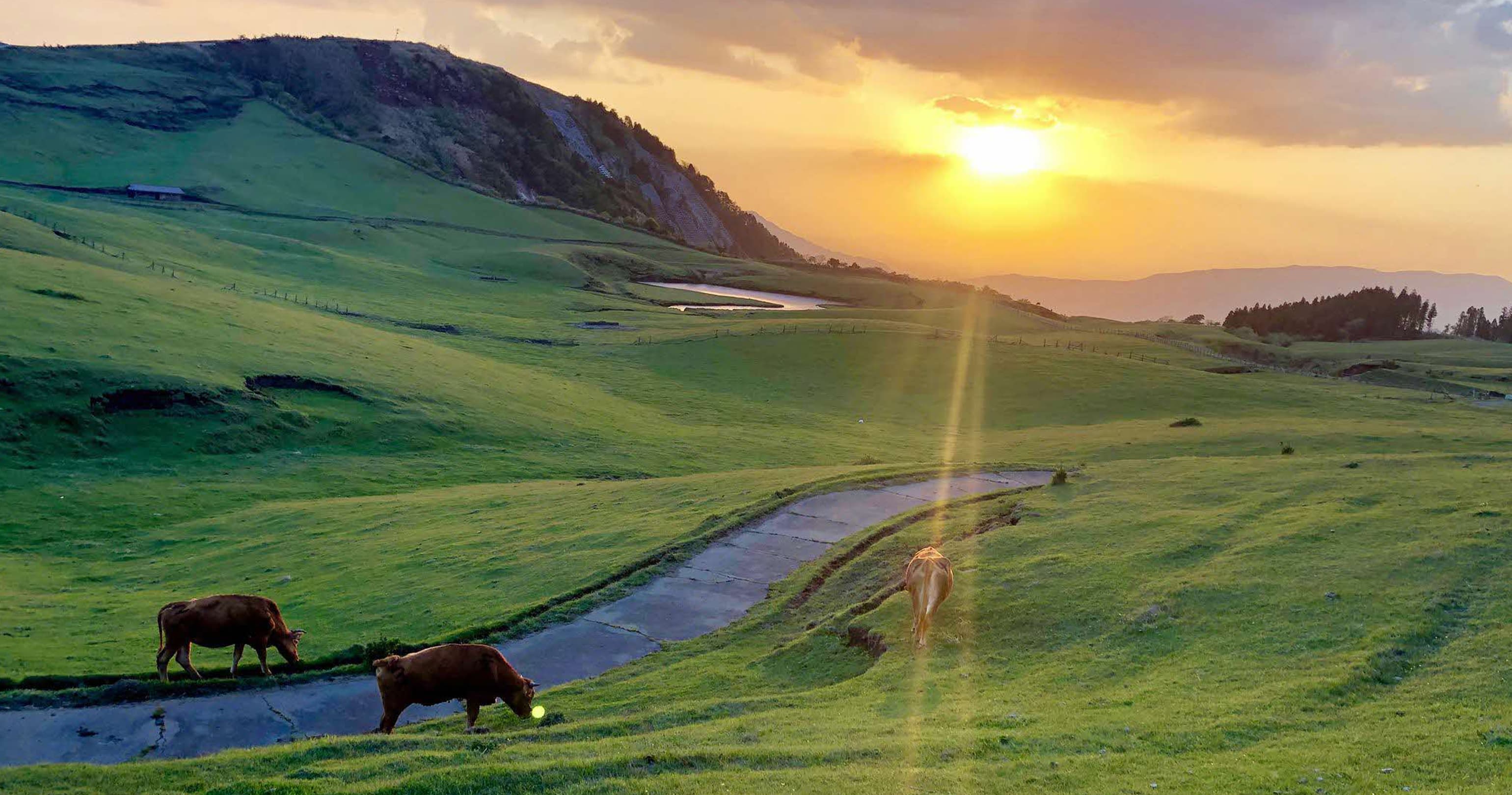
1515 - 1615 | Middle | Local Ecosystem Supported by Sustainable Grassland Management

Aso Green Stock

The semi-natural grasslands that extend across the warm and humid monsoon region of Asia are unique ecosystems maintained through continuous human management; in Aso, practices such as controlled burning, grazing, and grass cutting have been carried on for a long time. This session organizes the structure through which sustainable grassland management has supported the local economy and ecosystem services, and introduces the governance in which grazing-land cooperatives, citizen volunteers, companies, and government collaborate, as well as the funding mechanisms that sustain it.